
Older Lynwood Chimneys, Repaired to Last
Twenty-six jobs, read through the age of the house.
Brick and mortar, original fireboxes and Level 2 scans lead the list. If you are unsure which job fits, a Level 1 or Level 2 inspection sorts it out.
Chimney Sweep
Brushing and vacuuming an older flue end to end, with the clay tile and mortar joints looked over while they are bare.
Chimney Inspection
A look at an older chimney against NFPA 211, at whichever of the three levels the house and its history call for.
Chimney Repair
Fixes for older chimneys that keep the original brick and tile where it is still sound and replace what has failed.
Fireplace Inspection
Firebox, damper, hearth and trim on an older fireplace looked over against modern clearance rules.
Fireplace Repair
Repairs that keep an original fireplace in use: firebrick, mortar, damper, hearth and smoke chamber.
Chimney Level 2 Inspection
A camera pass up the whole flue, with attic, crawl space and roof added, for sales and appliance changes.
Chimney Cap Installation
A cap sized to the flue of an older chimney, fitted so it can come off later without harming the crown.
Chimney Flashing Repair
Metal at the roof line reworked where an older chimney meets newer roofing, often after a reroof or two.
Chimney Masonry Repair
Repointing and brick work on older chimneys, with mortar mixed to suit the age and softness of the brick.
Chimney Rebuilds
Taking down and relaying an older chimney that can no longer be repaired, from the roof or from the ground.
Fireplace Cleaning
Ash, soot and stains cleared from an older firebox and hearth, with original tile and brick treated gently.
Gas Fireplace Cleaning
Gas logs, burner and glass cleaned on units fitted into older fireplaces, with the vent path looked over.
Gas Fireplace Repair
Faults traced on gas units fitted into older fireplaces: pilot, valve, ignition, switch and flame.
Fireplace Remodel
Refacing and mantel work on older fireplaces, planned around period details and safe distances to the opening.
Fireplace Inserts
Gas or wood inserts set into older fireboxes, with a new liner up the old chimney.
Pellet Stove Repair
Repairs to pellet stoves vented through older chimneys or walls, from feed trouble to venting faults.
Wood Stove Repair
Repairs to wood stoves standing on older hearths or tied into old masonry chimneys.
Gas Logs
Gas log sets fitted into older masonry fireplaces, with the gas line, damper and flue looked at first.
Chimney Seismic Retrofit
Bracing and strapping for older brick chimneys that stand loose against a wood frame house.
Chimney Crown Repair
Fixes for the cement top of an older chimney, from sealing fine cracks to forming a new one.
Dryer Vent Cleaning
Lint cleared from dryer ducts in older houses, where runs are often long, crushed or patched together.
Chimney Liner Installation
Stainless liners for older chimneys whose clay tile is cracked, missing or the wrong size for a new appliance.
Chimney Leak Repair
Finding where water enters an older chimney and fixing that point, with the price range set before work.
Chimney Waterproofing
Breathable water repellent for older brick, applied after repairs so soft masonry can still dry out.
Chimney Damper Repair
Old cast iron dampers freed, repaired or replaced, or swapped for a seal at the top of the flue.
Chimney Chase Cover
Metal tops for framed chimney chases, common on mid-century additions and later fireplaces.
Escrow units, agent requests, whole buildings, failed flues
Four pages for chimney work that starts from a document: a condo in escrow, an agent's request, a building priced per hearth, and a camera report that found trouble inside the flue.
Condo and townhouse sales
Which parts of a unit's chimney belong to the owner, which to the association, and how the Level 2 report keeps them apart.
For real-estate agents
Three steps for an agent: one request, getting us inside, and where the finished report goes.
Property managers and HOAs
$56 per fireplace for the visual check, every unit on one visit, and a dated line for each unit in the report.
Up to code flue repairs
What the camera shows inside a failing flue, and the usual fixes: relining, a partial rebuild, a cap or a gas insert.
From Lynwood out across the older neighborhoods.
Each city below has a page of its own, with the kinds of houses we find there and the chimney work they tend to need.
Close to Base
Lynwood
Where we are based
South Gate, Hawthorne, Carson
The other cities we visit most
1920s to 1960s
When most of these houses went up
Open a city to read which houses we meet there and what their chimneys usually need, from bungalow brick to postwar clay tile.
Lynwood
Wolcott's base, the city around Plaza Mexico
In 1933 the Long Beach earthquake wrecked much of Compton next door, and Lynwood shook with it. Frost is a stranger here; the real wear is winter rain, November to March, sinking into an old crown.
South Gate
Tweedy Boulevard blocks just north of our base
In 1933 the Long Beach quake hurt buildings well beyond that city, this stretch of the basin included, and plain brick fails first. Sea air comes in mild, so cap rust stays modest while winter rain hunts for cracks.
Hawthorne
Apartment-heavy South Bay city off Hawthorne Boulevard
May and June gray brings wet air that pits unprotected caps and leaves crowns damp. A few miles east, Newport-Inglewood is the fault to know, and from November into February Rule 445 alerts can halt wood fires.
Carson
South Bay tract city near the old Dominguez rancho
Shaking risk here comes from Newport-Inglewood, a fault that threads the Dominguez Hills near these tracts. Rain arrives chiefly between November and April, and a rare dry Santa Ana day can rattle a cap that has lost its grip.
Further Out
136 more Wolcott city pages
Across the county and into the neighboring counties.
Liners, mortar, dampers and quakes
What owners of older houses in Lynwood, South Gate, Hawthorne and Carson ask first.
Where is Wolcott Chimney Contractors based, and how far do you travel?
Our base is Lynwood. South Gate, Hawthorne and Carson are the cities we visit most, and the area list covers towns across Los Angeles County plus parts of Orange, Ventura and Riverside counties. Give us the address on the contact page and we confirm whether it is on the list.
My house dates from the 1920s. Does the chimney have a liner at all?
Maybe. Many chimneys of that age were built with clay flue tile, some have bare brick inside, and in others the tile has since cracked. Only a look up the flue answers it. A Level 2 inspection, at $400, puts a camera through the whole height and shows what is there.
Can old brick be repointed with modern mortar?
It should not be, in most cases. Brick from before about 1930 is often softer than today's mortar, and a hard joint forces water and movement into the brick itself, which then flakes. We match the mortar to the brick, usually a lime-rich mix, so the joint stays the weaker part and can be renewed again later.
Is it safe to light a fire in an original fireplace that has not been used for years?
Not until someone has looked. Fireplaces left idle collect nests, fallen mortar and debris, and dampers rust shut. A Level 1, at $56, covers the firebox, damper, hearth and what can be seen of the flue. If the chimney has had a quake, a reroof or a new owner since it was last used, a Level 2 is the safer choice.
What does a Level 2 inspection show on an older chimney that a Level 1 does not?
The inside of the flue along its full height, recorded on video, plus the attic, crawl space and roof. On older chimneys that is where cracked tile, open joints and old quake damage hide. We suggest it when the house is being sold, before an insert or stove is fitted, and when the fuel changes.
Are there days when I cannot burn wood in Lynwood?
Yes. Lynwood is covered by the South Coast AQMD, and from November through February its Rule 445 lets the district ban wood fires on days with poor air. Those alerts apply to wood fireplaces, stoves and fire pits. Gas logs, gas inserts and gas fireplaces are exempt, which is one reason owners of older houses switch.
Does an old brick chimney need work after an earthquake?
It needs a look. Brick chimneys from before the 1960s often carry little or no steel, and the 1994 quake broke many of them at the roofline. Cracks can also run inside the flue where they cannot be seen from the yard. A Level 2 inspection records the flue and the roof section, and the report says whether bracing, repair or a rebuild fits.
Can I keep my original tile surround if I add an insert?
Often, yes. Most inserts sit inside the firebox and cover only part of the face, so a period tile surround and mantel can stay. We measure the opening and the distance to the mantel before a unit is chosen, and tell you up front if the trim sits too close for the insert you have in mind.
Why does my old chimney leak only in heavy rain?
Older chimneys take on water slowly through soft brick and open joints, so a light shower may never show inside. In a long storm the masonry fills and water finds the flashing, the crown or a joint near the roof line. We trace it on the roof rather than guess, and leak repair runs $570 to $3,400 depending on what we find.
How much do your inspections and sweeps cost?
A Level 1 inspection is $56. A Level 2 with a video scan of the flue is $400. A sweep starts from $430. Repairs to masonry, crowns, dampers and liners are priced in writing once we have seen the chimney, because no two older chimneys have worn the same way.
Do you replace original parts, or try to keep them?
We keep them where they still work safely. A cast iron damper can often be freed, firebrick can be replaced brick by brick, and a crown can be rebuilt without touching the stack below. When a part has to go, the report says why, and we offer the replacement closest to the original in look and size.
A question about your own chimney? Send it with the address.
Book a VisitThe old chimney stays, and gets fixed properly.
Wolcott Chimney Contractors works out of Lynwood, on chimneys and fireplaces that came with houses built from the 1920s through the 1960s in the cities around it.
Those chimneys were laid before today's rules on liners, clearances and steel. Some have clay tile, some bare brick; many have cast iron dampers and crowns that were only ever a thin wash of mortar.
We look at what the builder left, keep the parts that still work and fix the rest with materials that suit them. Every item goes into a written report with its own price, so you choose what gets done and when.
- 1920s
- Through the 1960s, the houses we see most
- $400
- Level 2 scan of an old flue
- Lime
- Mortar for soft pre-1930 brick
Keep What Still Works
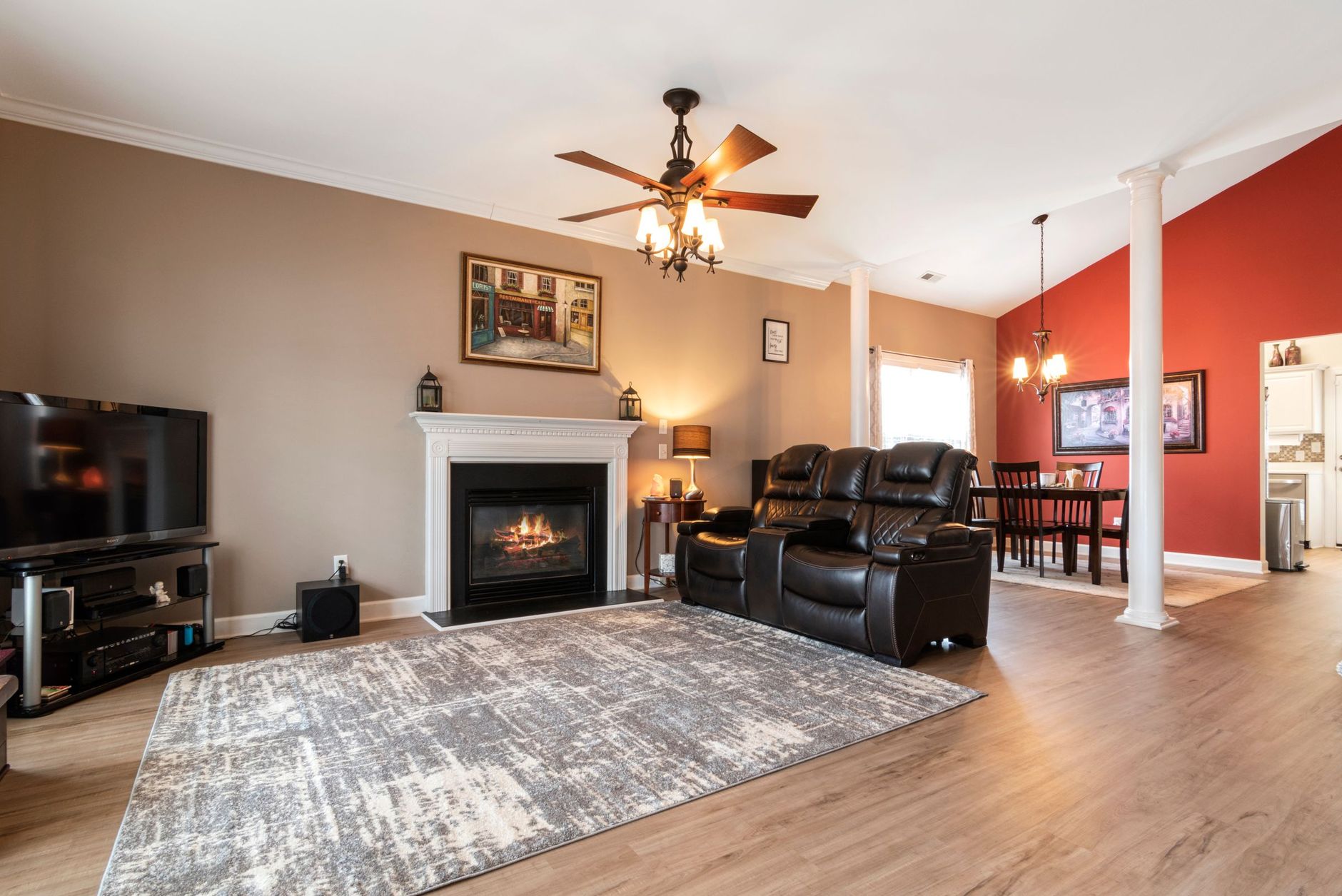
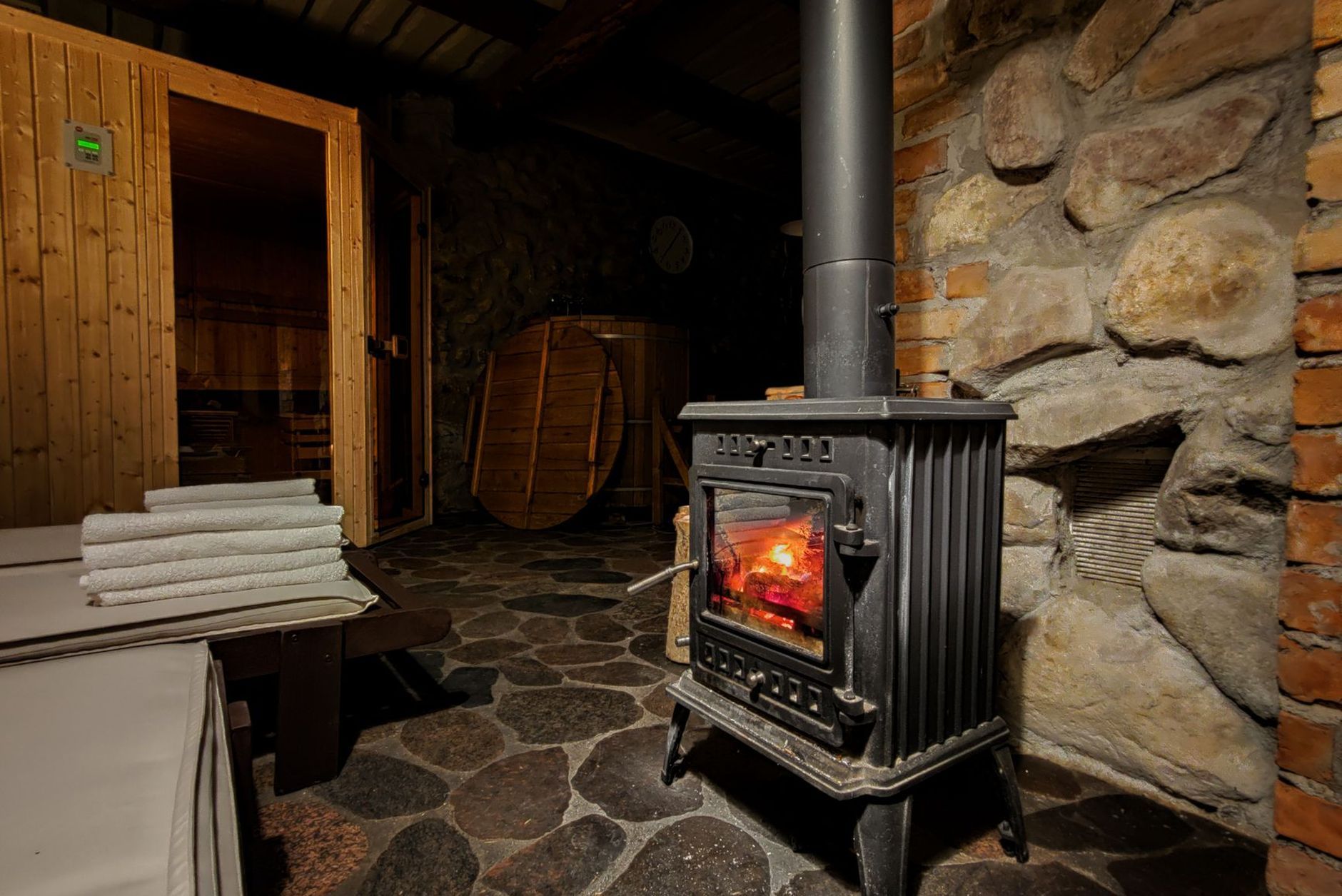
Original brick, tile and cast iron are kept in service when they are sound. We replace a part only when it has failed or cannot be made safe, and the report says which.
Older Neighborhoods
Lynwood, South Gate, Hawthorne and Carson hold rows of houses from the 1920s through the 1960s. Their chimneys share building habits we know how to read, from bare brick flues to thin crowns.
Prices on Paper
Every repair is written up with its own price before work starts. Optional items are marked as optional, and nothing is added once the job is underway without your say.
Matched Materials
Soft brick gets soft mortar, period openings get parts that fit them, and new work is finished to sit quietly beside the old rather than stand out against it.
We read the house, then repair what has worn
Five stages, always in this order. No original part comes out until we have shown you why it has to.
Tell Us About the House
Use the contact form to send the address, roughly when the house went up if you know, and what has you thinking about the chimney: a sale, a leak, a fireplace you want back in use. We call back to set a time.
We Look Before We Touch
At the visit we start inside with the firebox and damper, go up to the roof and, for a Level 2, run a camera up the flue. Original parts are handled with care, and nothing is opened up without your say.
A Written Report
You receive photos and plain notes on what we found, sorted into what needs work now, what can wait and what is fine as built. Each repair has its own written price, so you can pick what to do first.
Repairs Matched to the Age
Mortar is mixed to suit the brick, firebrick is matched in size, and new parts are chosen to fit the opening rather than forcing the house to fit the part. Drop cloths cover the floors from the door to the hearth.
Draft Test and Notes to Keep
When the work is done we test the draft, walk you through what changed and leave notes you can hand to the next buyer, inspector or roofer. Repeat visits are suggested only when the chimney calls for one.
From Lynwood, for chimneys that were built to last and need help doing it.
What Is Your Chimney Doing?
Name, number and the work you have in mind. We ring back with a few questions about the house.